



Where art thou yield?
According to some institutional asset managers and financial publications, the answer may lie in Ukrainian government bonds… though like many investments in this sideways economy, seeing the hall of mirrors in its entirety is hard to parse.
The Wall Street Journal this past week highlighted the Ukrainian government’s new initiatives to sell bonds to individual investors, including through the Kyiv-based brokerage firm ICU. Ukrainian government bonds have surged this year following a report from the International Monetary Fund in June estimating economic growth projections for the country between 1 and 3 percent.
Separate projections from the IMF estimate that Emerging and Developing Europe will experience an acceleration in GDP, as opposed to the United States and other developed countries which are anticipated to hit a slower growth rate. Ukraine appears attractive for Western investors; Morgan Stanley recently made a 47% return on Ukrainian debt warrants purchased in 2014, and both JP Morgan and BlackRock have advised the government in establishing a bank for reconstruction efforts.

House of Mirrors
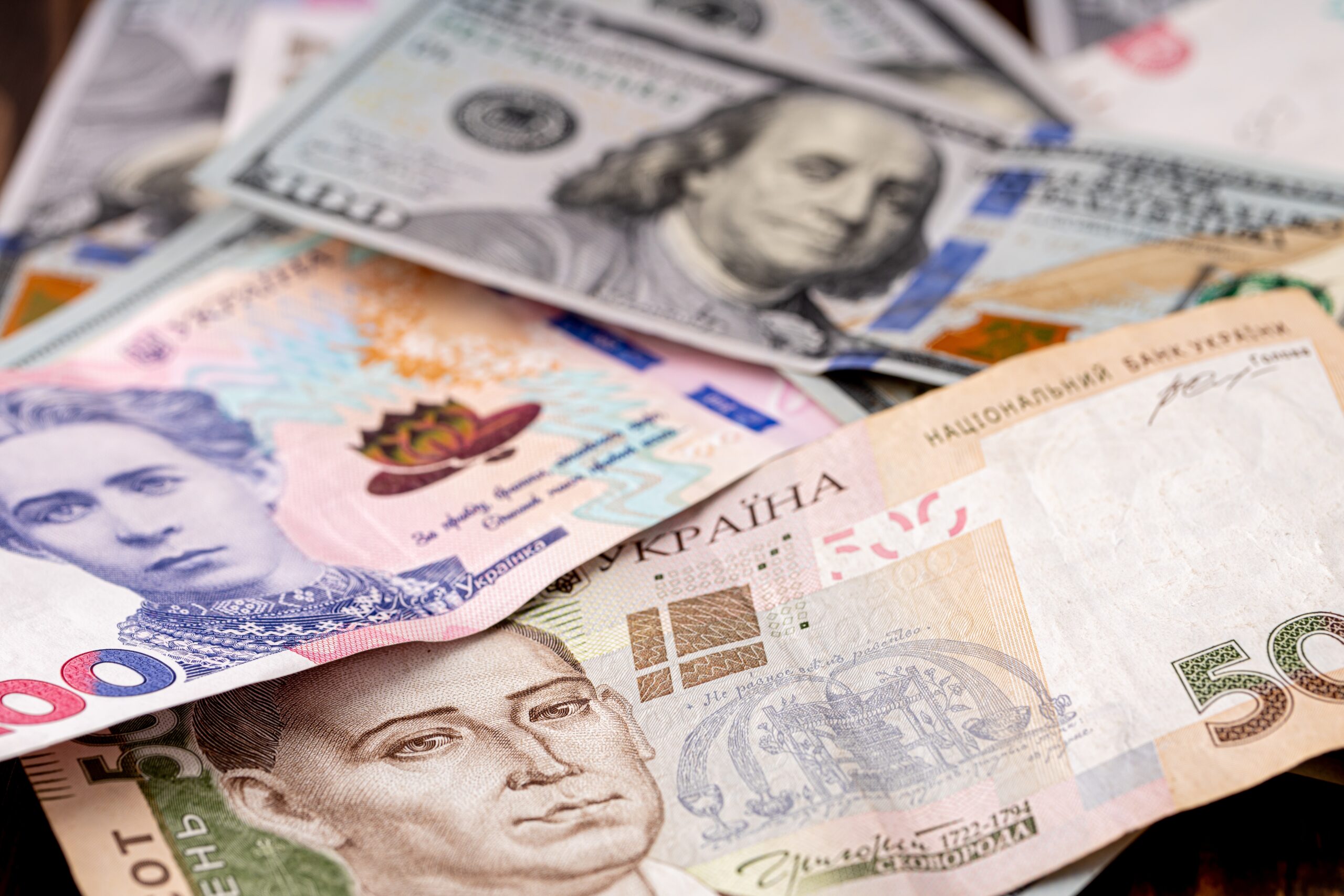
The one-year yield currently offered from Ukrainian bonds is 31%. By contrast, U.S. Treasury one-year yields are around 5.5% However, the higher yield is only available in Ukraine’s native currency, Hryvnia, which has been subject to hyper-inflation. When adjusted for total inflation, Ukrainian bonds yield about 10% in Hryvnia. If buying Ukrainian bonds in dollars, the yield drops to between 2% and 3%, though both products trade higher on the secondary market, spiking during key news cycles.
Although Ukraine’s government has brought down inflation from 26% to roughly 10% just this year, it could easily reassume printing money to cover war-time costs, even while courting Western investments. An investment in Ukrainian bonds is not only a bet on Ukraine winning the war, but also on the country’s current monetary policy, and whether paying back bondholders will be a priority.
According to Bloomberg, BlackRock, Pimco and Fidelity are the largest holders of Ukrainian government bonds.
Just because a Western bank buys a government bond, however, does not mean they hold the security until maturity. Following the rally of its debt warrants purchased in 2014 — fueled by the internal coup led by Prigozhin against Putin — a Morgan Stanley spokesperson declined to tell Bloomberg whether it had sold the assets. Asset managers often hold these bonds and securities for as short as one month before exiting as more information becomes available.
As Ukrainian bonds are mostly sold on the domestic market, it can be very difficult for individual foreign investors to buy them— Ukrainian banks like PrivatBank currently require a minimum $40,000 deposit just to have the option to purchase them. In addition to the Hryvnia’s volatility, foreigners will also have to contend with conversion fees to capture the yield offered in the country’s native currency.
As Ukraine shifts its focus to offer the private sector more investment opportunities, companies like ICU will find foreign customers with a hungry appetite for risk, though with considerably less information and quantum data sets created in real time like the financial behemoths able to both have their cake and eat it too, though is it all that different from any other kind of investment?
